Buy gukts.com ?
We are moving the project
gukts.com .
Are you interested in purchasing the domain
gukts.com ?
domain@kv-gmbh.de · 0541-91531010
Buy gukts.com ?
What are natural climate variations?
Natural climate variations refer to changes in the Earth's climate that occur due to natural factors such as volcanic eruptions, solar radiation, ocean currents, and variations in the Earth's orbit. These variations can lead to fluctuations in temperature, precipitation patterns, and other climate parameters over short to long time scales. Understanding natural climate variations is important for distinguishing between natural climate cycles and human-induced climate change. **
Is organic sustainable?
Organic farming practices can be more sustainable than conventional methods in terms of reducing chemical inputs, promoting biodiversity, and improving soil health. However, there are challenges to the scalability and efficiency of organic farming, which can impact its overall sustainability. For example, organic farming typically requires more land and labor to produce the same amount of food as conventional methods, which can limit its ability to meet global food demand. Additionally, the transportation and distribution of organic products can have a higher environmental impact due to their shorter shelf life and the need for refrigeration. Overall, while organic farming has many sustainable benefits, there are also limitations to its long-term sustainability on a large scale. **

Similar search terms for Climate
Top-Angebote
Products related to Climate:


-
What are natural causes of climate fluctuations?
Natural causes of climate fluctuations include variations in the Earth's orbit and tilt, which can lead to changes in the distribution of solar radiation and the intensity of seasons. Additionally, volcanic eruptions can release large amounts of ash and gases into the atmosphere, which can temporarily cool the planet. Ocean circulation patterns, such as El Niño and La Niña, can also influence climate variability by redistributing heat and moisture around the globe. Finally, variations in solar activity can impact the amount of energy reaching the Earth's surface, leading to fluctuations in climate. **
-
Which other natural events can influence the climate?
Other natural events that can influence the climate include volcanic eruptions, which release large amounts of ash and gases into the atmosphere, leading to temporary cooling. Solar radiation and the Earth's orbit can also impact climate, as changes in the amount of solar energy reaching the Earth or the Earth's position relative to the sun can lead to long-term climate variations. Additionally, ocean currents and the El Niño Southern Oscillation (ENSO) can affect climate patterns by redistributing heat and moisture around the globe. These natural events can all play a significant role in shaping the Earth's climate. **
-
Is liquefied natural gas harmful to the climate?
Liquefied natural gas (LNG) is considered harmful to the climate because it is a fossil fuel that releases carbon dioxide and other greenhouse gases when burned for energy. The process of extracting, processing, and transporting LNG also releases methane, a potent greenhouse gas. Additionally, LNG infrastructure can result in leaks and emissions that contribute to climate change. Therefore, the use of LNG as an energy source is not considered environmentally friendly and can have negative impacts on the climate. **
-
What are the causes of natural climate change?
Natural climate change can be caused by a variety of factors, including changes in the Earth's orbit and tilt, volcanic eruptions, and variations in solar radiation. These factors can lead to changes in the amount of sunlight reaching the Earth's surface, as well as fluctuations in the distribution of heat and energy within the atmosphere and oceans. Additionally, natural processes such as the carbon cycle and the release of greenhouse gases from natural sources can also contribute to changes in the Earth's climate over long periods of time. **


How do climate factors influence climate elements?
Climate factors such as temperature, precipitation, humidity, and wind patterns directly influence climate elements like temperature, precipitation, humidity levels, and wind speed. For example, higher temperatures can lead to increased evaporation rates, resulting in higher levels of precipitation in certain regions. Changes in wind patterns can also impact the distribution of temperature and precipitation across different areas. Overall, climate factors play a crucial role in shaping the climate elements that define a region's climate. **
Would climate activists even die for the climate?
Some climate activists may be willing to die for the climate, as they are deeply committed to the cause and believe that sacrificing their lives could bring attention to the urgency of the issue. However, the majority of activists are focused on creating positive change through peaceful and non-violent means, such as advocacy, education, and policy change. Ultimately, the goal of climate activism is to protect and preserve life, so most activists prioritize their own safety while working towards a sustainable future. **
Top-Angebote
Products related to Climate:
-
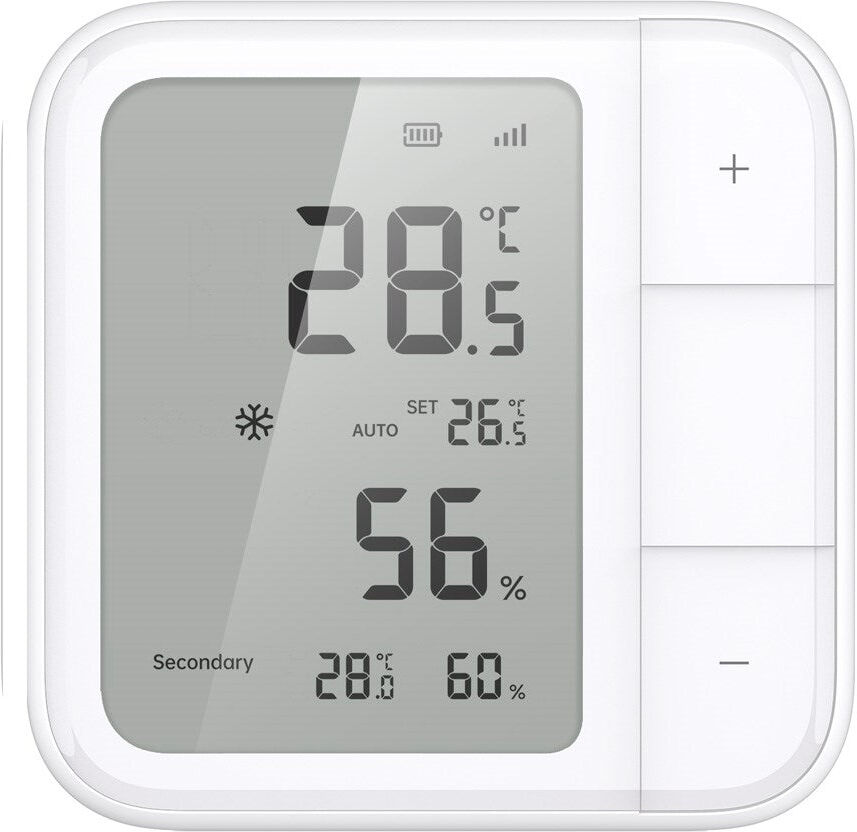
Aqara Climate Sensor W100 - HvidOplev intelligent klimastyring med Aqara Climate Sensor W100 – en avanceret temperatur- og fugtighedssensor med en stor 3.4" LCD-skærm, der leverer realtidsdata med imponerende nøjagtighed (±0.2 °C og ±2% RH). Uanset om du ønsker et mere komfortabelt hjem, effektiv energistyring eller bedre forhold til opbevaring, er denne sensor den ideelle løsning. Sensoren understøtter både Zigbee og Thread, og er kompatibel med Matter, hvilket gør den fremtidssikret og let at integrere i populære smart home-platforme som 'Apple Home', 'Google Home' og 'Amazon Alexa'. Foretrækker du avancerede Aqara-funktioner som fjernstyring af klimaanlæg og ekstern sensorintegration, kan en 'Aqara Zigbee-hub' benyttes for en endnu mere komplet oplevelse. Med 3 programmerbare knapper understøtter Aqara Climate Sensor W100 op til 9 forskellige handlinger – f.eks. tænd/sluk enheder, aktiver komfort-tilstand eller skift scene med ét tryk. Fleksibiliteten giver dig mulighed for at skræddersy hjemmets funktioner til dine daglige rutiner og behov. Ekstern sensorintegration gør det muligt at overvåge temperatur og luftfugtighed fra flere lokationer på én gang, direkte på displayet – perfekt til dig, der ønsker fuldt overblik over både børneværelset og stuen, vinkælderen eller drivhuset. Tilføj et ekstra lag af komfort med fjernstyring af HVAC-systemet. Når sensoren forbindes med en Aqara-termostat eller et infrarødt klimaanlæg via 'Aqara Hub M3', kan du justere varme, køling og luftfugtighed direkte fra enheden – uden at skulle hen til selve anlægget. Trods de mange funktioner er Climate Sensor W100 yderst energieffektiv. Den drives af to CR2450-batterier, som giver op til 2.4 års batterilevetid i Zigbee-tilstand. Ønsker du at tilpasse strømforbruget, kan du justere måle- og rapporteringsfrekvensen via 'Aqara Home-appen'. Aqara Climate Sensor W100 kombinerer præcision, fleksibilitet og smart integration i ét elegant design. Uanset om du søger bedre indeklima, nem automatisering eller fuld kontrol over hjemmets komfort, får du en sensor, der tilpasser sig dine behov – nu og i fremtiden. Matter, Thread & Zigbee Denne enhed er Matter, Thread og Zigbee kompatibel. Med Matter kan Smart Home-enheder fungere sammen på tværs af producenter og platforme. Thread teknologien er internetbaseret og gør det muligt for enheden at forbinde trådløst direkte til internettet eller med andre Thread enheder i et mesh netværk. Med Zigbee kan enheden kommunikere med andre enheder via Zigbee, som et trådløst kommunikationsnetværk der tillader Zigbee enheder at tale sammen via hinanden.299,00 DKK*Shipping: 29,00 DKKSecure redirect to the provider
-
What are natural climate variations?
Natural climate variations refer to changes in the Earth's climate that occur due to natural factors such as volcanic eruptions, solar radiation, ocean currents, and variations in the Earth's orbit. These variations can lead to fluctuations in temperature, precipitation patterns, and other climate parameters over short to long time scales. Understanding natural climate variations is important for distinguishing between natural climate cycles and human-induced climate change. **
-
Is organic sustainable?
Organic farming practices can be more sustainable than conventional methods in terms of reducing chemical inputs, promoting biodiversity, and improving soil health. However, there are challenges to the scalability and efficiency of organic farming, which can impact its overall sustainability. For example, organic farming typically requires more land and labor to produce the same amount of food as conventional methods, which can limit its ability to meet global food demand. Additionally, the transportation and distribution of organic products can have a higher environmental impact due to their shorter shelf life and the need for refrigeration. Overall, while organic farming has many sustainable benefits, there are also limitations to its long-term sustainability on a large scale. **
-
What are natural causes of climate fluctuations?
Natural causes of climate fluctuations include variations in the Earth's orbit and tilt, which can lead to changes in the distribution of solar radiation and the intensity of seasons. Additionally, volcanic eruptions can release large amounts of ash and gases into the atmosphere, which can temporarily cool the planet. Ocean circulation patterns, such as El Niño and La Niña, can also influence climate variability by redistributing heat and moisture around the globe. Finally, variations in solar activity can impact the amount of energy reaching the Earth's surface, leading to fluctuations in climate. **
-
Which other natural events can influence the climate?
Other natural events that can influence the climate include volcanic eruptions, which release large amounts of ash and gases into the atmosphere, leading to temporary cooling. Solar radiation and the Earth's orbit can also impact climate, as changes in the amount of solar energy reaching the Earth or the Earth's position relative to the sun can lead to long-term climate variations. Additionally, ocean currents and the El Niño Southern Oscillation (ENSO) can affect climate patterns by redistributing heat and moisture around the globe. These natural events can all play a significant role in shaping the Earth's climate. **
Similar search terms for Climate
-
Is liquefied natural gas harmful to the climate?
Liquefied natural gas (LNG) is considered harmful to the climate because it is a fossil fuel that releases carbon dioxide and other greenhouse gases when burned for energy. The process of extracting, processing, and transporting LNG also releases methane, a potent greenhouse gas. Additionally, LNG infrastructure can result in leaks and emissions that contribute to climate change. Therefore, the use of LNG as an energy source is not considered environmentally friendly and can have negative impacts on the climate. **
-
What are the causes of natural climate change?
Natural climate change can be caused by a variety of factors, including changes in the Earth's orbit and tilt, volcanic eruptions, and variations in solar radiation. These factors can lead to changes in the amount of sunlight reaching the Earth's surface, as well as fluctuations in the distribution of heat and energy within the atmosphere and oceans. Additionally, natural processes such as the carbon cycle and the release of greenhouse gases from natural sources can also contribute to changes in the Earth's climate over long periods of time. **
-
How do climate factors influence climate elements?
Climate factors such as temperature, precipitation, humidity, and wind patterns directly influence climate elements like temperature, precipitation, humidity levels, and wind speed. For example, higher temperatures can lead to increased evaporation rates, resulting in higher levels of precipitation in certain regions. Changes in wind patterns can also impact the distribution of temperature and precipitation across different areas. Overall, climate factors play a crucial role in shaping the climate elements that define a region's climate. **
-
Would climate activists even die for the climate?
Some climate activists may be willing to die for the climate, as they are deeply committed to the cause and believe that sacrificing their lives could bring attention to the urgency of the issue. However, the majority of activists are focused on creating positive change through peaceful and non-violent means, such as advocacy, education, and policy change. Ultimately, the goal of climate activism is to protect and preserve life, so most activists prioritize their own safety while working towards a sustainable future. **
* All prices are inclusive of VAT and, if applicable, plus shipping costs. The offer information is based on the details provided by the respective shop and is updated through automated processes. Real-time updates do not occur, so deviations can occur in individual cases. ** Note: Parts of this content were created by AI.