Buy gukts.com ?
We are moving the project
gukts.com .
Are you interested in purchasing the domain
gukts.com ?
domain@kv-gmbh.de · 0541-91531010
Buy gukts.com ?
Does a monofocal lens not provide natural vision and good contrast vision?
A monofocal lens can provide good contrast vision, but it may not provide natural vision at all distances. Monofocal lenses are designed to correct vision at a single focal point, typically for distance vision. This means that individuals with monofocal lenses may still require reading glasses or bifocals for close-up vision. While monofocal lenses can provide clear vision, they may not offer the same natural vision as a multifocal lens, which can correct vision at multiple distances. **
Is organic sustainable?
Organic farming practices can be more sustainable than conventional methods in terms of reducing chemical inputs, promoting biodiversity, and improving soil health. However, there are challenges to the scalability and efficiency of organic farming, which can impact its overall sustainability. For example, organic farming typically requires more land and labor to produce the same amount of food as conventional methods, which can limit its ability to meet global food demand. Additionally, the transportation and distribution of organic products can have a higher environmental impact due to their shorter shelf life and the need for refrigeration. Overall, while organic farming has many sustainable benefits, there are also limitations to its long-term sustainability on a large scale. **


Similar search terms for Vision
Top-Angebote
Products related to Vision:

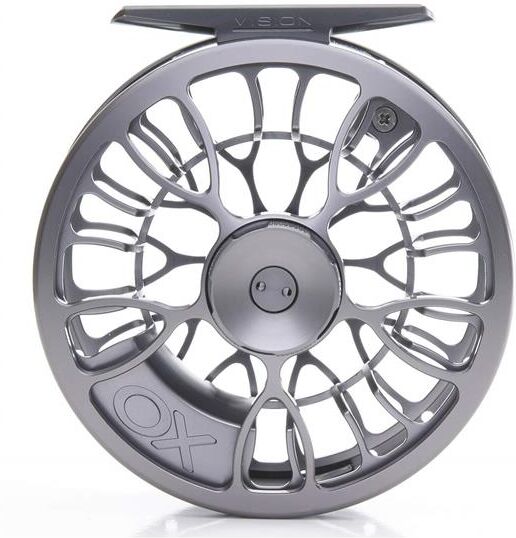


-
Can vision improve?
Yes, vision can improve in some cases. For example, wearing prescription glasses or contact lenses can help correct refractive errors such as nearsightedness, farsightedness, and astigmatism. Additionally, certain eye exercises and vision therapy techniques may help improve focus, eye coordination, and overall visual function. It is important to consult with an eye care professional to determine the best course of action for improving vision. **
-
What impairs vision?
Vision can be impaired by a variety of factors, including eye diseases such as glaucoma, cataracts, and macular degeneration. Refractive errors such as nearsightedness, farsightedness, and astigmatism can also impair vision. Additionally, injuries to the eye or head, as well as certain medications and medical conditions such as diabetes, can contribute to impaired vision. Finally, aging can also lead to changes in vision, such as presbyopia. **
-
What are the symptoms of double vision and blurry vision?
Double vision, also known as diplopia, is a condition where a person sees two images of a single object. This can be caused by misalignment of the eyes, nerve damage, or certain medical conditions. Blurry vision, on the other hand, is a loss of sharpness in vision, making objects appear out of focus or hazy. Both double vision and blurry vision can be symptoms of underlying health issues such as diabetes, cataracts, or neurological disorders. It is important to seek medical attention if experiencing these symptoms to determine the underlying cause and receive appropriate treatment. **
-
Can Dolby Vision be used on a TV without Dolby Vision?
No, Dolby Vision cannot be used on a TV that does not support Dolby Vision. Dolby Vision is a high dynamic range (HDR) format that requires both content and display devices to be compatible with it in order to experience its benefits. If a TV does not support Dolby Vision, it will not be able to display content in Dolby Vision format, and the user will not be able to take advantage of its enhanced color, contrast, and brightness capabilities. **


What influences our vision?
Our vision is influenced by a combination of biological, environmental, and psychological factors. Biologically, our genetics play a significant role in determining the quality of our vision, as well as any potential eye conditions or diseases. Environmental factors such as lighting, screen time, and exposure to pollutants can also impact our vision. Additionally, psychological factors like attention, perception, and cognitive biases can influence how we interpret and process visual information. Overall, our vision is shaped by a complex interplay of these factors. **
What are vision disorders?
Vision disorders are conditions that affect the eyes and the ability to see clearly. These disorders can range from common issues like nearsightedness and farsightedness to more serious conditions like glaucoma, cataracts, and macular degeneration. Vision disorders can cause symptoms such as blurry vision, difficulty seeing at night, eye pain, and even vision loss if left untreated. It is important to have regular eye exams to detect and manage vision disorders early on. **
Top-Angebote
Products related to Vision:
-
Magimix Vision BrødristerMagimix Vision brødristerMagimix står bag verdens første gennemsigtige toaster, som gør at du let holde øje med brødet mens det rister. På den måde at det slut med brændt brød, og du får mulighed for at stoppe toasteren når brødet er helt perfekt. En professionel brødrister som kan klare alle typer, brød bag det isolerede dobbeltglas. Denne brødrister fra Magimix har også plads til ekstra tykke skiver.Enkel betjening med kun én knap per funktion - samt 8 forskellige risteindstillinger. Når ristningen er færdig hæver brødet sig automatisk så du let kan fjerne det. Når brødet er færdigristet gives også et ringesignal. Specialfunktioner: Ristning af brød direkte fra fryseren, lune ristet brød uden at det bliver tørt og baguette-funkion (rister kun en side). Krummebakken i bunden kan skubbes ud så den kan tømmes, og derudover er det muligt at fjerne glasset for nem rengøring.Specifikationer:Produkttype: BrødristerFarve: Sort / StålMateriale: Aluminium, glas og rustfrit stålEffekt: 1450 Watt8 forskellige risteindstillingerStørrelse (HxBxD): 22 x 18 x 39,5 cm2098,75 DKK*Shipping: 31,19 DKKSecure redirect to the provider
-
Does a monofocal lens not provide natural vision and good contrast vision?
A monofocal lens can provide good contrast vision, but it may not provide natural vision at all distances. Monofocal lenses are designed to correct vision at a single focal point, typically for distance vision. This means that individuals with monofocal lenses may still require reading glasses or bifocals for close-up vision. While monofocal lenses can provide clear vision, they may not offer the same natural vision as a multifocal lens, which can correct vision at multiple distances. **
-
Is organic sustainable?
Organic farming practices can be more sustainable than conventional methods in terms of reducing chemical inputs, promoting biodiversity, and improving soil health. However, there are challenges to the scalability and efficiency of organic farming, which can impact its overall sustainability. For example, organic farming typically requires more land and labor to produce the same amount of food as conventional methods, which can limit its ability to meet global food demand. Additionally, the transportation and distribution of organic products can have a higher environmental impact due to their shorter shelf life and the need for refrigeration. Overall, while organic farming has many sustainable benefits, there are also limitations to its long-term sustainability on a large scale. **
-
Can vision improve?
Yes, vision can improve in some cases. For example, wearing prescription glasses or contact lenses can help correct refractive errors such as nearsightedness, farsightedness, and astigmatism. Additionally, certain eye exercises and vision therapy techniques may help improve focus, eye coordination, and overall visual function. It is important to consult with an eye care professional to determine the best course of action for improving vision. **
-
What impairs vision?
Vision can be impaired by a variety of factors, including eye diseases such as glaucoma, cataracts, and macular degeneration. Refractive errors such as nearsightedness, farsightedness, and astigmatism can also impair vision. Additionally, injuries to the eye or head, as well as certain medications and medical conditions such as diabetes, can contribute to impaired vision. Finally, aging can also lead to changes in vision, such as presbyopia. **
Similar search terms for Vision
-
What are the symptoms of double vision and blurry vision?
Double vision, also known as diplopia, is a condition where a person sees two images of a single object. This can be caused by misalignment of the eyes, nerve damage, or certain medical conditions. Blurry vision, on the other hand, is a loss of sharpness in vision, making objects appear out of focus or hazy. Both double vision and blurry vision can be symptoms of underlying health issues such as diabetes, cataracts, or neurological disorders. It is important to seek medical attention if experiencing these symptoms to determine the underlying cause and receive appropriate treatment. **
-
Can Dolby Vision be used on a TV without Dolby Vision?
No, Dolby Vision cannot be used on a TV that does not support Dolby Vision. Dolby Vision is a high dynamic range (HDR) format that requires both content and display devices to be compatible with it in order to experience its benefits. If a TV does not support Dolby Vision, it will not be able to display content in Dolby Vision format, and the user will not be able to take advantage of its enhanced color, contrast, and brightness capabilities. **
-
What influences our vision?
Our vision is influenced by a combination of biological, environmental, and psychological factors. Biologically, our genetics play a significant role in determining the quality of our vision, as well as any potential eye conditions or diseases. Environmental factors such as lighting, screen time, and exposure to pollutants can also impact our vision. Additionally, psychological factors like attention, perception, and cognitive biases can influence how we interpret and process visual information. Overall, our vision is shaped by a complex interplay of these factors. **
-
What are vision disorders?
Vision disorders are conditions that affect the eyes and the ability to see clearly. These disorders can range from common issues like nearsightedness and farsightedness to more serious conditions like glaucoma, cataracts, and macular degeneration. Vision disorders can cause symptoms such as blurry vision, difficulty seeing at night, eye pain, and even vision loss if left untreated. It is important to have regular eye exams to detect and manage vision disorders early on. **
* All prices are inclusive of VAT and, if applicable, plus shipping costs. The offer information is based on the details provided by the respective shop and is updated through automated processes. Real-time updates do not occur, so deviations can occur in individual cases. ** Note: Parts of this content were created by AI.