Buy gukts.com ?
We are moving the project
gukts.com .
Are you interested in purchasing the domain
gukts.com ?
domain@kv-gmbh.de · 0541-91531010
Buy gukts.com ?
Are all organic substances polar?
No, not all organic substances are polar. Organic substances can be polar or nonpolar depending on their molecular structure. Polar organic substances have an uneven distribution of charge due to differences in electronegativity between atoms, while nonpolar organic substances have a symmetrical distribution of charge. Examples of polar organic substances include alcohols and carboxylic acids, while examples of nonpolar organic substances include hydrocarbons like alkanes. **
Why do polar substances dissolve in polar substances?
Polar substances dissolve in polar substances because they have similar intermolecular forces. Polar substances, such as water, have a partial positive and partial negative charge, which allows them to form hydrogen bonds with other polar molecules. When a polar substance is added to a polar solvent, the partial charges on the solvent molecules attract and surround the solute molecules, causing them to separate and disperse evenly throughout the solvent. This allows the polar solute to dissolve in the polar solvent, forming a homogeneous mixture. **


Similar search terms for Polar
Top-Angebote
Products related to Polar:
-
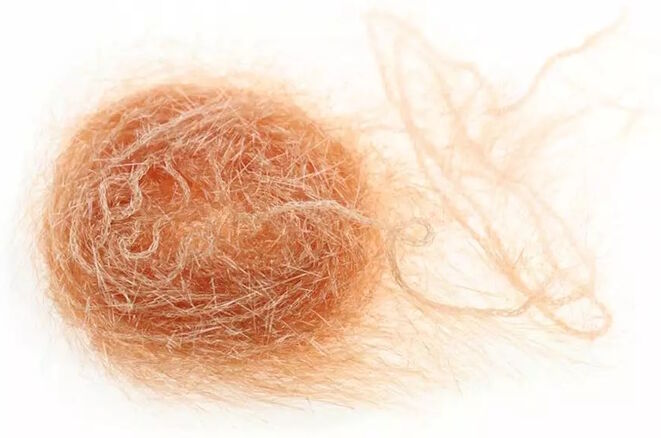
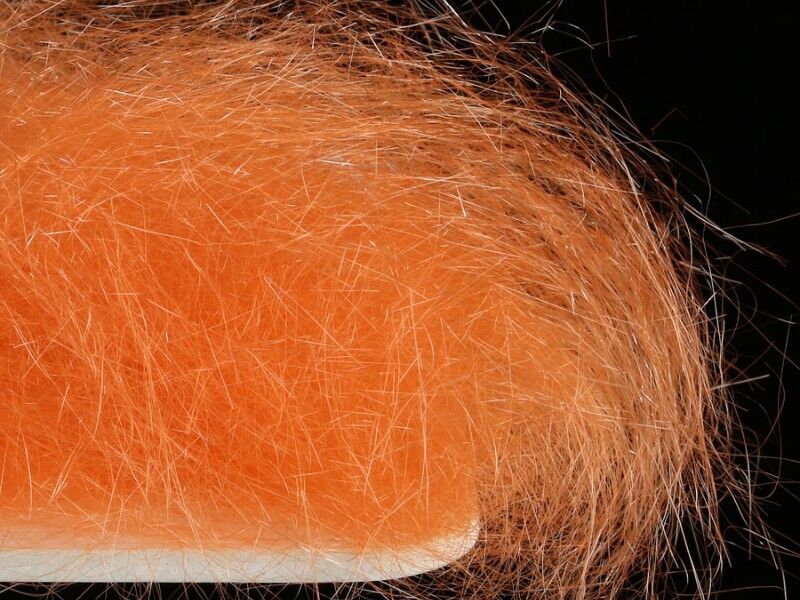
Sybai Polar Dubbing-YellowSybai Polar Dubbing Denne dubbing fra Sybai kommer til at overtage for STF dubbing. Fine translucent, langefibrede syntetiske dubbing materialer. Fyldt med glans uden at være prangende. Meget let at arbejde med, kan bruges som det er eller blandes med naturfibre. Har rigtig mange anvendelsesmuligheder, alt fra små havørredfluer til lak og fiskeimitationer.19,00 DKK*Shipping: 49,00 DKKSecure redirect to the provider
-
Blåkläder 2015 Polar Hue Bævernylon / Polar Hue Bævernylon - 52cm - High Vis GulBlåkläder 2015 Polarhue Bævernylon / Når det virkelig er koldt! Varmt foret polarhue som kan holde selv den koldeste vinterkulde ude 20151900 / Polar Hue Bævernylon Når det virkelig er koldt! Varmt foret polarhue som kan holde selv den koldeste vinterkulde ude. Fåes i sort samt fluocerende gul og orange. Snøre med ring og foldbare øreklapper. STOF 70% polyester, 30% bomuld, twill, vandafvisende finish, 230 g/m²269,00 DKK*Shipping: 269,00 DKKSecure redirect to the provider
-
Sybai Polar Dubbing-PinkSybai Polar Dubbing Denne dubbing fra Sybai kommer til at overtage for STF dubbing. Fine translucent, langefibrede syntetiske dubbing materialer. Fyldt med glans uden at være prangende. Meget let at arbejde med, kan bruges som det er eller blandes med naturfibre. Har rigtig mange anvendelsesmuligheder, alt fra små havørredfluer til lak og fiskeimitationer.19,00 DKK*Shipping: 49,00 DKKSecure redirect to the provider



-
Where do polar day and polar night occur?
Polar day and polar night occur in the polar regions, specifically within the Arctic and Antarctic Circles. During polar day, the sun remains above the horizon for a continuous 24 hours, resulting in 24 hours of daylight. Conversely, during polar night, the sun remains below the horizon for a continuous 24 hours, resulting in 24 hours of darkness. These phenomena are caused by the tilt of the Earth's axis and its orbit around the sun. **
-
Where are the polar day and polar night?
The polar day and polar night occur in the polar regions near the North and South Poles. During the polar day, the sun does not set and remains visible for 24 hours a day, while during the polar night, the sun does not rise and the region experiences 24 hours of darkness. These phenomena are a result of the tilt of the Earth's axis and its orbit around the sun, causing extreme variations in daylight hours in these regions. **
-
What is a polar day and polar night?
A polar day is a period of 24 hours of continuous daylight that occurs in the polar regions during the summer months. This phenomenon happens because the Earth's axial tilt causes the sun to never fully set below the horizon at these latitudes during this time of year. On the other hand, a polar night is a period of 24 hours of continuous darkness that occurs in the polar regions during the winter months. This happens because the Earth's axial tilt causes the sun to never rise above the horizon at these latitudes during this time of year. **
-
Where do polar days and polar nights occur?
Polar days and polar nights occur in the polar regions near the North and South Poles. During polar days, the sun does not set and remains visible for 24 hours a day, while during polar nights, the sun does not rise and the region remains in darkness for 24 hours a day. These phenomena are a result of the tilt of the Earth's axis and its orbit around the sun, causing extreme variations in daylight hours in the polar regions. **

When is the polar day and the polar night?
The polar day occurs during the summer solstice in the polar regions, which is around June 21st in the Northern Hemisphere and December 21st in the Southern Hemisphere. During this time, the sun does not set for 24 hours, resulting in continuous daylight. Conversely, the polar night occurs during the winter solstice in the polar regions, which is around December 21st in the Northern Hemisphere and June 21st in the Southern Hemisphere. During this time, the sun does not rise for 24 hours, resulting in continuous darkness. **
Is ethanol polar and hydrophilic or hydrophobic and polar?
Ethanol is both polar and hydrophilic. The molecule contains a polar hydroxyl group (-OH), which makes it capable of forming hydrogen bonds with water molecules. This allows ethanol to dissolve in water and makes it hydrophilic. Additionally, the overall molecular structure of ethanol is polar due to the electronegativity difference between carbon and oxygen atoms, further contributing to its polarity. **
Top-Angebote
Products related to Polar:
-
Sybai Polar Dubbing-YellowSybai Polar Dubbing Denne dubbing fra Sybai kommer til at overtage for STF dubbing. Fine translucent, langefibrede syntetiske dubbing materialer. Fyldt med glans uden at være prangende. Meget let at arbejde med, kan bruges som det er eller blandes med naturfibre. Har rigtig mange anvendelsesmuligheder, alt fra små havørredfluer til lak og fiskeimitationer.19,00 DKK*Shipping: 49,00 DKKSecure redirect to the provider
-
Blåkläder 2015 Polar Hue Bævernylon / Polar Hue Bævernylon - 52cm - High Vis GulBlåkläder 2015 Polarhue Bævernylon / Når det virkelig er koldt! Varmt foret polarhue som kan holde selv den koldeste vinterkulde ude 20151900 / Polar Hue Bævernylon Når det virkelig er koldt! Varmt foret polarhue som kan holde selv den koldeste vinterkulde ude. Fåes i sort samt fluocerende gul og orange. Snøre med ring og foldbare øreklapper. STOF 70% polyester, 30% bomuld, twill, vandafvisende finish, 230 g/m²269,00 DKK*Shipping: 269,00 DKKSecure redirect to the provider
-
Are all organic substances polar?
No, not all organic substances are polar. Organic substances can be polar or nonpolar depending on their molecular structure. Polar organic substances have an uneven distribution of charge due to differences in electronegativity between atoms, while nonpolar organic substances have a symmetrical distribution of charge. Examples of polar organic substances include alcohols and carboxylic acids, while examples of nonpolar organic substances include hydrocarbons like alkanes. **
-
Why do polar substances dissolve in polar substances?
Polar substances dissolve in polar substances because they have similar intermolecular forces. Polar substances, such as water, have a partial positive and partial negative charge, which allows them to form hydrogen bonds with other polar molecules. When a polar substance is added to a polar solvent, the partial charges on the solvent molecules attract and surround the solute molecules, causing them to separate and disperse evenly throughout the solvent. This allows the polar solute to dissolve in the polar solvent, forming a homogeneous mixture. **
-
Where do polar day and polar night occur?
Polar day and polar night occur in the polar regions, specifically within the Arctic and Antarctic Circles. During polar day, the sun remains above the horizon for a continuous 24 hours, resulting in 24 hours of daylight. Conversely, during polar night, the sun remains below the horizon for a continuous 24 hours, resulting in 24 hours of darkness. These phenomena are caused by the tilt of the Earth's axis and its orbit around the sun. **
-
Where are the polar day and polar night?
The polar day and polar night occur in the polar regions near the North and South Poles. During the polar day, the sun does not set and remains visible for 24 hours a day, while during the polar night, the sun does not rise and the region experiences 24 hours of darkness. These phenomena are a result of the tilt of the Earth's axis and its orbit around the sun, causing extreme variations in daylight hours in these regions. **
Similar search terms for Polar
-
Sybai Polar Dubbing-PinkSybai Polar Dubbing Denne dubbing fra Sybai kommer til at overtage for STF dubbing. Fine translucent, langefibrede syntetiske dubbing materialer. Fyldt med glans uden at være prangende. Meget let at arbejde med, kan bruges som det er eller blandes med naturfibre. Har rigtig mange anvendelsesmuligheder, alt fra små havørredfluer til lak og fiskeimitationer.19,00 DKK*Shipping: 49,00 DKKSecure redirect to the provider
-
Sybai Polar Dubbing-SalmonSybai Polar Dubbing Denne dubbing fra Sybai kommer til at overtage for STF dubbing. Fine translucent, langefibrede syntetiske dubbing materialer. Fyldt med glans uden at være prangende. Meget let at arbejde med, kan bruges som det er eller blandes med naturfibre. Har rigtig mange anvendelsesmuligheder, alt fra små havørredfluer til lak og fiskeimitationer.19,00 DKK*Shipping: 49,00 DKKSecure redirect to the provider
-
Blåkläder 2015 Polar Hue Bævernylon / Polar Hue Bævernylon - 54cm - High Vis GulBlåkläder 2015 Polarhue Bævernylon / Når det virkelig er koldt! Varmt foret polarhue som kan holde selv den koldeste vinterkulde ude 20151900 / Polar Hue Bævernylon Når det virkelig er koldt! Varmt foret polarhue som kan holde selv den koldeste vinterkulde ude. Fåes i sort samt fluocerende gul og orange. Snøre med ring og foldbare øreklapper. STOF 70% polyester, 30% bomuld, twill, vandafvisende finish, 230 g/m²269,00 DKK*Shipping: 269,00 DKKSecure redirect to the provider
-
What is a polar day and polar night?
A polar day is a period of 24 hours of continuous daylight that occurs in the polar regions during the summer months. This phenomenon happens because the Earth's axial tilt causes the sun to never fully set below the horizon at these latitudes during this time of year. On the other hand, a polar night is a period of 24 hours of continuous darkness that occurs in the polar regions during the winter months. This happens because the Earth's axial tilt causes the sun to never rise above the horizon at these latitudes during this time of year. **
-
Where do polar days and polar nights occur?
Polar days and polar nights occur in the polar regions near the North and South Poles. During polar days, the sun does not set and remains visible for 24 hours a day, while during polar nights, the sun does not rise and the region remains in darkness for 24 hours a day. These phenomena are a result of the tilt of the Earth's axis and its orbit around the sun, causing extreme variations in daylight hours in the polar regions. **
-
When is the polar day and the polar night?
The polar day occurs during the summer solstice in the polar regions, which is around June 21st in the Northern Hemisphere and December 21st in the Southern Hemisphere. During this time, the sun does not set for 24 hours, resulting in continuous daylight. Conversely, the polar night occurs during the winter solstice in the polar regions, which is around December 21st in the Northern Hemisphere and June 21st in the Southern Hemisphere. During this time, the sun does not rise for 24 hours, resulting in continuous darkness. **
-
Is ethanol polar and hydrophilic or hydrophobic and polar?
Ethanol is both polar and hydrophilic. The molecule contains a polar hydroxyl group (-OH), which makes it capable of forming hydrogen bonds with water molecules. This allows ethanol to dissolve in water and makes it hydrophilic. Additionally, the overall molecular structure of ethanol is polar due to the electronegativity difference between carbon and oxygen atoms, further contributing to its polarity. **
* All prices are inclusive of VAT and, if applicable, plus shipping costs. The offer information is based on the details provided by the respective shop and is updated through automated processes. Real-time updates do not occur, so deviations can occur in individual cases. ** Note: Parts of this content were created by AI.